
1. Introduction
Long before wrist-worn gadgets calculated steps and notified us of incoming emails, portable timekeeping was an art of elegance and mechanics. At the heart of this tradition sits the fob watch, a distinct timepiece designed to be secured to clothing rather than strapped around the wrist. The term “fob” historically referred to a small pocket in breeches or waistcoats made specifically to hold a watch, as well as the short chain, ribbon, or decorative ornament attached to it.
While pocket watches generally rest inside a vest pocket at the end of a longer chain, a dedicated fob timepiece is characterized by its quick-drop design and secure pinning or clipping mechanism. Today, these instruments enjoy a dual identity. On one hand, collectors cherish them as symbols of sartorial sophistication. On the other hand, clinical professionals rely on modern variants every single day as indispensable diagnostic gear.
2. A Brief History: From Waistcoats to Wardrobes
The story of portable horology changed forever in the late 17th century when King Charles II of England popularized the waistcoat. Before this fashion shift, gentlemen wore heavy portable clocks as pendants around their necks. The waistcoat pocket demanded a slimmer, rounded shape that could slide into fabric without catching on delicate threads. Adding a weighted ribbon or metallic chain made drawing the piece effortless.
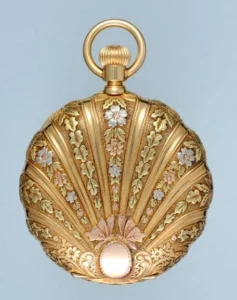
During the 18th and 19th centuries, the pocket adornment became a canvas for personal expression. Wealthy owners decorated their chains with family crests, intricate seals, cameos, and precious gemstones. Owning a fine mechanical watch demonstrated both social standing and punctuality. As manufacturing techniques improved through the Industrial Revolution, reliable timepieces became accessible to railroad conductors, engineers, and everyday workers who required accurate timekeeping without wearing fragile wrist jewelry.
3. The Essential Tool of Healthcare: Why Nurses Depend on Them
While wristwatches replaced most pocket models for the general public during the First World War, the medical field took an entirely different route. If you visit any hospital ward today, you will notice doctors and nurses sporting an inverted dial pinned to their tunic or scrub pocket. A clinical fob watch remains an essential piece of equipment for clinical hygiene and patient safety.

Hospitals enforce strict “bare below the elbows” policies to curb cross-contamination and prevent hospital-acquired infections. Wearing a wristwatch traps bacteria, moisture, and pathogens directly against the skin, making thorough handwashing difficult. By pinning a timepiece to a uniform, clinicians maintain total hand hygiene. Furthermore, the dial on a medical fob watch is mounted upside down. When a healthcare worker looks down at their chest while taking a patient’s pulse or checking respiration rates, the dial reads right side up, allowing hands-free operation without contaminating sterile gloves.
4. Different Styles and Movements Available Today
Modern buyers will find that these timepieces split into two broad categories: vintage collectibles and specialized workwear.
-
Vintage and Heritage Designs: Often crafted from sterling silver, brass, or gold plating, these models feature traditional mechanical movements. They require manual winding and often showcase exposed skeletal gears, Roman numerals, and ornate outer casings.
-
Silicone Clinical Models: Designed specifically for hospital staff, these utilize battery-powered quartz movements encased inside removable silicone sleeves. They are lightweight, colorful, and built to survive frequent contact with hospital-grade disinfectants.
-
Retractable Reel Styles: Some medical variants attach to a spring-loaded badge reel. This allows the wearer to pull the watch forward for a closer look and let it smoothly snap back against the tunic.
-
Brooch and Lapel Jewelry: Frequently gifted for graduations or retirements, these combine quartz convenience with polished metal brooch pins, offering a classic aesthetic for uniform wear.
5. How to Choose the Right Timepiece for Your Needs
Selecting the ideal model comes down to your intended setting. If you work in a clinical environment, prioritize functional utility. A silicone housing allows you to remove the metal watch module completely before sanitizing the outer skin. Look for high-contrast dials with bold numbers and a distinct red second hand, which makes timing 15-second or 30-second vitals effortless. Glow-in-the-dark luminous hands are equally helpful for checking patients during nighttime ward rounds without turning on harsh overhead lights.
For everyday style or ceremonial events, case material and chain craftsmanship matter most. Check the clasp mechanism carefully. Traditional buttonhole bars require a vest with proper buttonholes, while lobster clasps and alligator clips offer more versatility across different garments. If you choose an antique mechanical piece, verify whether the balance wheel swings freely and whether the original winding spring maintains tension throughout the day.
6. Care, Cleaning, and Maintenance Tips
A mechanical collectible requires gentle handling. Wind it once a day at approximately the same time, turning the crown slowly until you feel mild resistance. Forcing the crown past this stop point risks snapping the delicate mainspring. Keep vintage cases away from strong magnetic fields, such as stereo speakers or laptop bases, which can magnetize the hairspring and cause the mechanism to run erratically.
Maintaining a clinical silicone model involves regular decontamination. At the end of each shift, unclip the watch, pop out the quartz dial mechanism, and wash the silicone cover in warm soapy water or wipe it down with disinfectant wipes. Ensure the silicone sleeve is completely dry before reseating the metal module to prevent moisture buildup inside the casing. Replace quartz batteries every 12 to 18 months to avoid acid leaks that could ruin the movement.
7. Final Verdict: Timeless Utility in a Modern World
In an age dominated by touchscreens and connected devices, the tactile simplicity of dedicated analog horology remains remarkably practical. For healthcare workers, an inverted tunic watch solves genuine hygiene and clinical challenges that modern smartwatches cannot address. For fashion enthusiasts, it provides a distinctive statement of classic tailoring and individuality. Whether pinned to a scrub top or paired with a three-piece suit, this iconic instrument continues to deliver reliable functionality with timeless character.
FAQs
Why is the dial on a nursing watch upside down?
The dial appears inverted to outside observers because it is engineered for the wearer. When pinned to a shirt or lapel, looking downward allows the clinician to read numbers and the second hand right side up without having to lift or adjust the casing with unwashed hands.
Can you wear a fob watch with everyday casual clothing?
Yes. While vintage variants look most natural with three-piece suits and waistcoats, clip-on models can fasten to belt loops, denim pockets, and apron straps. Many chefs, mechanics, and laboratory technicians wear them with casual work attire to keep their wrists free from hazards.
How does a fob watch differ from a standard pocket watch?
The difference lies in how they attach and wear. Pocket models normally sit inside a pocket attached to a longer Albert chain that hooks into a vest buttonhole. A traditional fob watch features a much shorter strap, ribbon, or direct pin clasp designed for rapid access or external suspension.
Are medical silicone watch covers autoclavable?
Most standard high-grade silicone sleeves withstand boiling water and alcohol wipes, but the internal quartz mechanism cannot survive autoclave heat or pressure. Always separate the internal module before subjecting silicone housings to intensive heat sterilization.
How often does a mechanical pocket timepiece need servicing?
Antique mechanical movements should be inspected, cleaned, and lubricated by a professional horologist every three to five years. Fresh synthetic oils prevent pivot wear and keep the gear train moving with minimal friction.