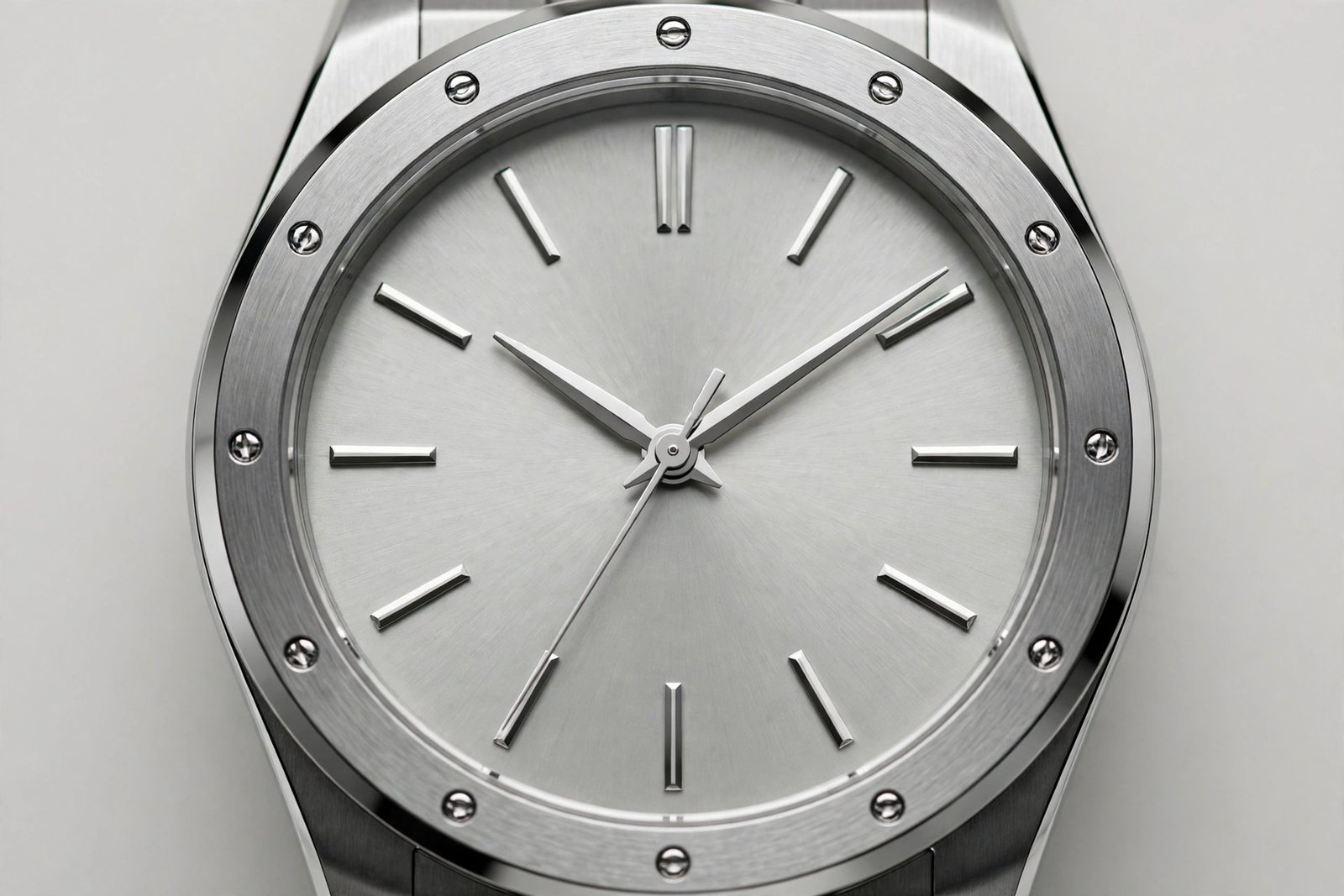
Ladies tag watches cover a wide range, from clean racing chronographs to elegant sports watches with mother-of-pearl dials. That range is part of the appeal. It also makes choosing one harder than it looks. Two watches with the same name on the dial can still suit very different wrists, outfits and routines.
This guide explains ladies tag watches in plain terms. It covers what the brand is known for and how the ladies’ lines differ. You will also learn what to check on size, fit, movement and condition before you choose. It is not a review of one model. The men’s lines have their own guide on this site: our men’s TAG guide.
What ladies tag watches are known for
TAG Heuer began as Heuer, founded in 1860 by Edouard Heuer in Saint-Imier, Switzerland. The name changed in 1985, when Techniques d’Avant Garde bought a majority stake. The company later joined the LVMH group in 1999. You can read the brand’s history in full on Wikipedia.
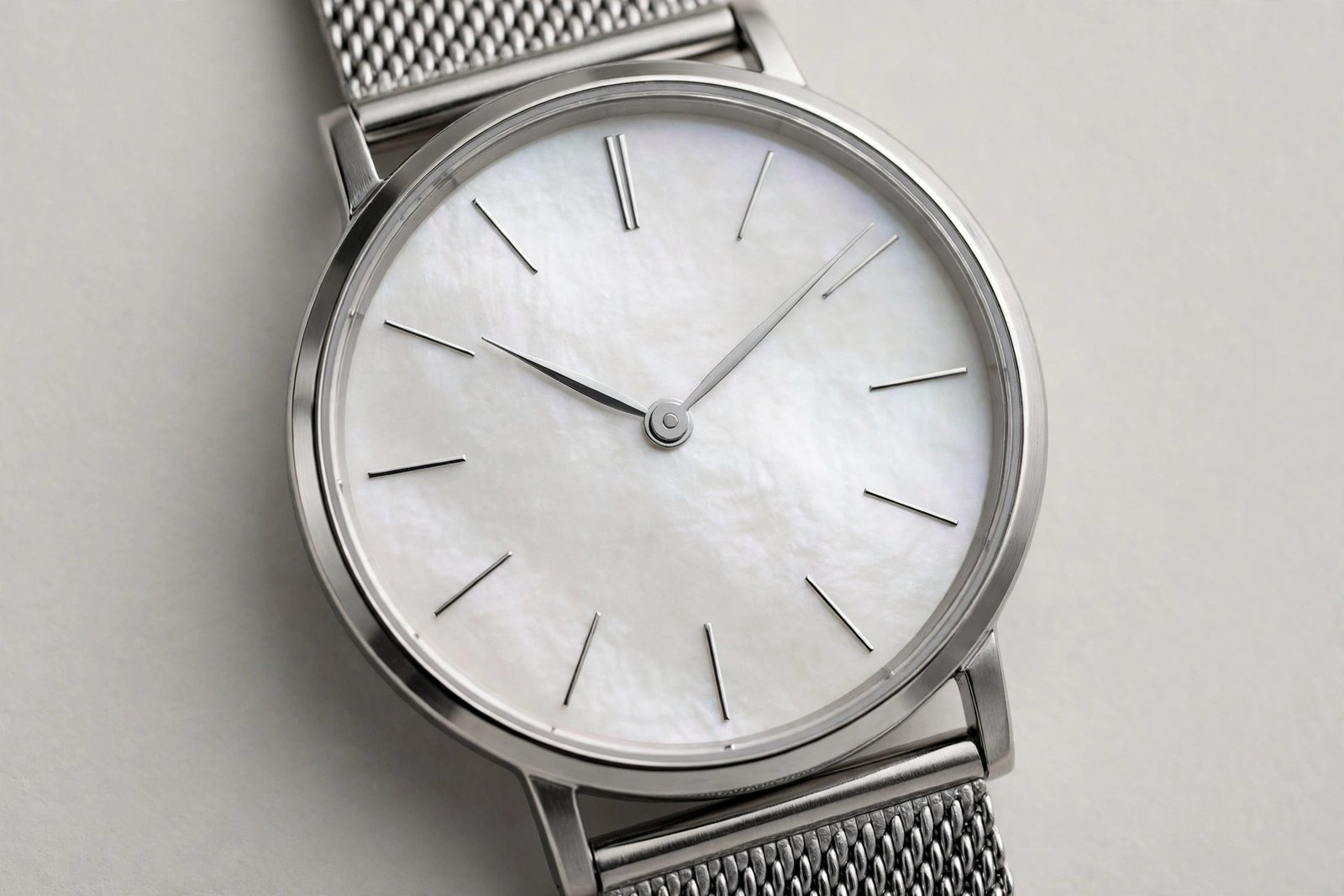
Through all of that, timing stayed constant. Heuer built its name on chronographs and stopwatches. TAG Heuer still leans on that racing and timing heritage today. The ladies’ range carries the same heritage in a smaller, dressier form. Dials often use mother-of-pearl, sunray finishes or diamond markers. The look is sporty, with more shine than the men’s lines.
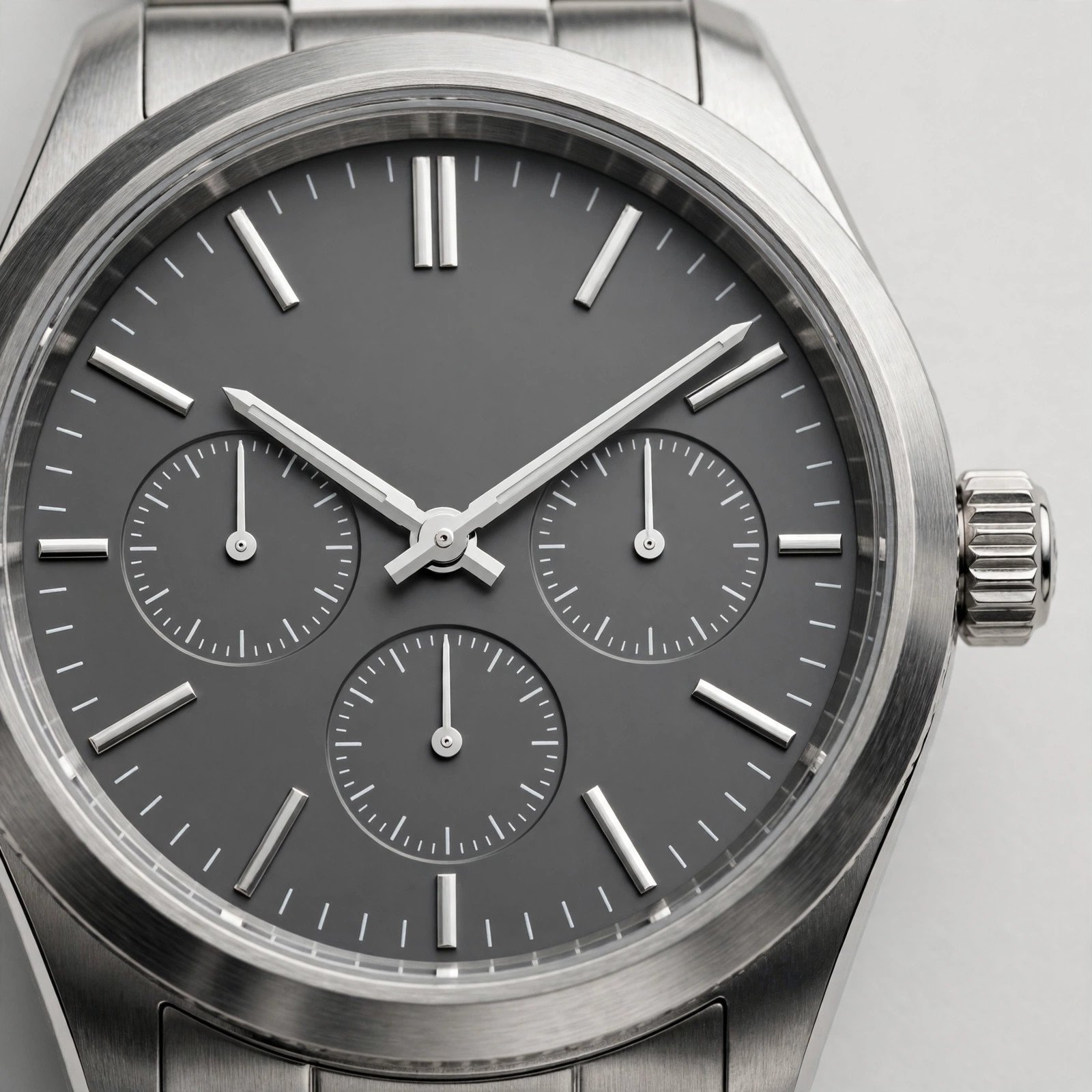
Many ladies tag watches carry the same design cues as the men’s models: clean dials, clear markers and steel cases. The difference is in the detail. A ladies’ Aquaracer keeps the rotating bezel and the water-ready case. A ladies’ Carrera keeps the clean racing dial. The proportions change, not the idea.
The range sits in a useful middle ground among other luxury ladies’ watches. It is a recognised Swiss name with a long history, covering everyday sports watches as well as dressier pieces. An Aquaracer Lady and a Monaco Lady suit different people. The rest of this guide explains how to tell them apart.
How the ladies’ lines differ
Ladies tag watches are not one watch repeated in different colours. Think of the range as a set of lines, each with its own job. Start with the look and the use, not the name.
Aquaracer Lady is the water-ready line. It has been part of the Aquaracer range since the line began in 2003. Cases usually run from about 27 mm to 36 mm. Water resistance is 200 metres or 300 metres, depending on the model. Dials often use mother-of-pearl, and some models add diamonds to the bezel or the markers. It suits holidays and everyday wear. Check the water-resistance rating on the specific watch first.
Formula 1 Lady is the sporty end of the range. Cases are usually about 32 mm. Colours are strong, and some models add diamonds to the bezel. The watches look at home beside a racetrack. If you want a TAG that reads as sporty from across a room, look here first.
The dressier ladies’ lines
Carrera Lady is the racing line in a smaller form. Since 2020, it has been available as a 29 mm or 36 mm women’s model. The collection is mostly three-hand watches with automatic movements and a date display. Dials range from silver or grey to blue, green or pink. It is the line for a racing watch that still works with a smart outfit.
Link Lady is the bracelet-led line, made for women. The bracelet has a distinctive S-shaped link design. Cases are usually about 29 mm to 32 mm. The watches look smarter than the sporty lines. Link Lady works well as an everyday watch that can also dress up.
Monaco Lady is the square one, and the case shape alone makes it stand out. The design leans towards style more than tool-watch function. It suits people who want a TAG that looks different at a glance.
Do not pick a line first and then look for a watch inside it. Pick the job the watch must do, then see which line fits that job.
Size, fit and readability for ladies tag watches
Size is the easiest thing to get wrong with ladies tag watches. The case number alone does not tell the whole story. Two watches with the same case size can wear very differently. Lug-to-lug length matters more than the headline number. Long lugs can overhang a slim wrist, while short lugs can make a larger case sit neatly. Thickness matters too: a slim case slides under a cuff, while a thick one catches all day.
Try the watch on your own wrist, and wear it for more than a minute. Walk around and bend your wrist. Check whether the crown digs into the back of your hand. Check whether the bracelet holds the watch still without pinching. A watch that feels fine for ten seconds can annoy you by lunchtime.
Readability deserves the same attention. Look at the dial in normal light, not just under shop spotlights. Hands and markers should stand out at a glance. You should read the date window, if there is one, without tilting your wrist. Mother-of-pearl dials and diamond markers look lovely. They can be harder to read in dim light than a plain dial. A watch you cannot read at a glance will spend more time in a drawer than on your wrist.
Movements in plain terms
Most ladies tag watches use one of two movement types. The choice is simpler than the jargon makes it sound. A quartz movement runs on a battery. It is usually accurate day to day. It needs little attention beyond a battery change, and suits people who rotate watches. Most Aquaracer Lady, Formula 1 Lady and Link Lady models use quartz.
An automatic movement winds itself from the motion of your wrist. It has no battery to change. It needs regular wear or a winder to keep running, plus a service every few years. Carrera Lady models mostly use automatic movements. If you like mechanical watches and will wear the watch often, choose automatic.
A few newer Aquaracer models use solar power instead of a standard battery. They charge from light, so the battery lasts far longer between changes. They still keep quartz time. If you want fewer battery changes, try solar.
Everyday wear vs occasion wear
For everyday wear, ladies tag watches work best when comfort and toughness come first. A steel bracelet copes with daily knocks. A readable dial serves you better than a busy one. Scratches will happen, so a brushed finish hides them better than a polished one. Check the water-resistance rating before you assume the watch can cope with rain or swimming.
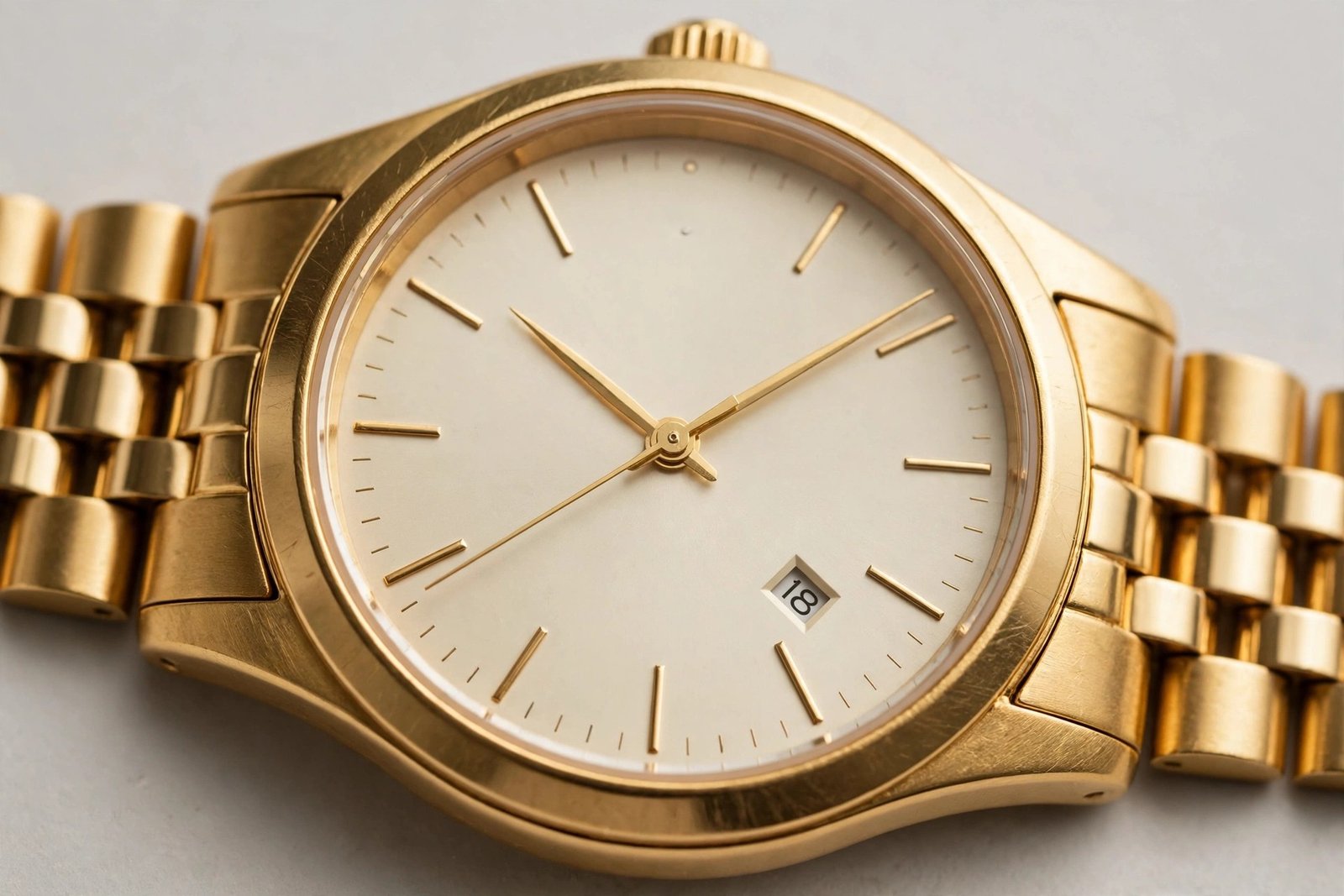
For occasions, the rules change. A slimmer case, a mother-of-pearl dial and a bracelet strap sit better with a dress. Diamond markers add sparkle without shouting. Rose gold adds warmth, so keep the rest of your jewellery simple and let the watch be the accent.
Pick the everyday watch first: a clean Carrera Lady on a steel bracelet can dress up for an evening. A heavily decorated evening watch rarely dresses down.
Straps and wearability
Straps change ladies tag watches more than most buyers expect. The same case can look like a different watch on steel, leather or rubber. Treat the strap as part of the choice, not an afterthought.
Steel bracelets are the practical choice. They cope with water and wear, and they look smart in most settings. The Link Lady bracelet is lighter and more flexible, which suits a slim wrist. Check that the clasp opens and closes easily.
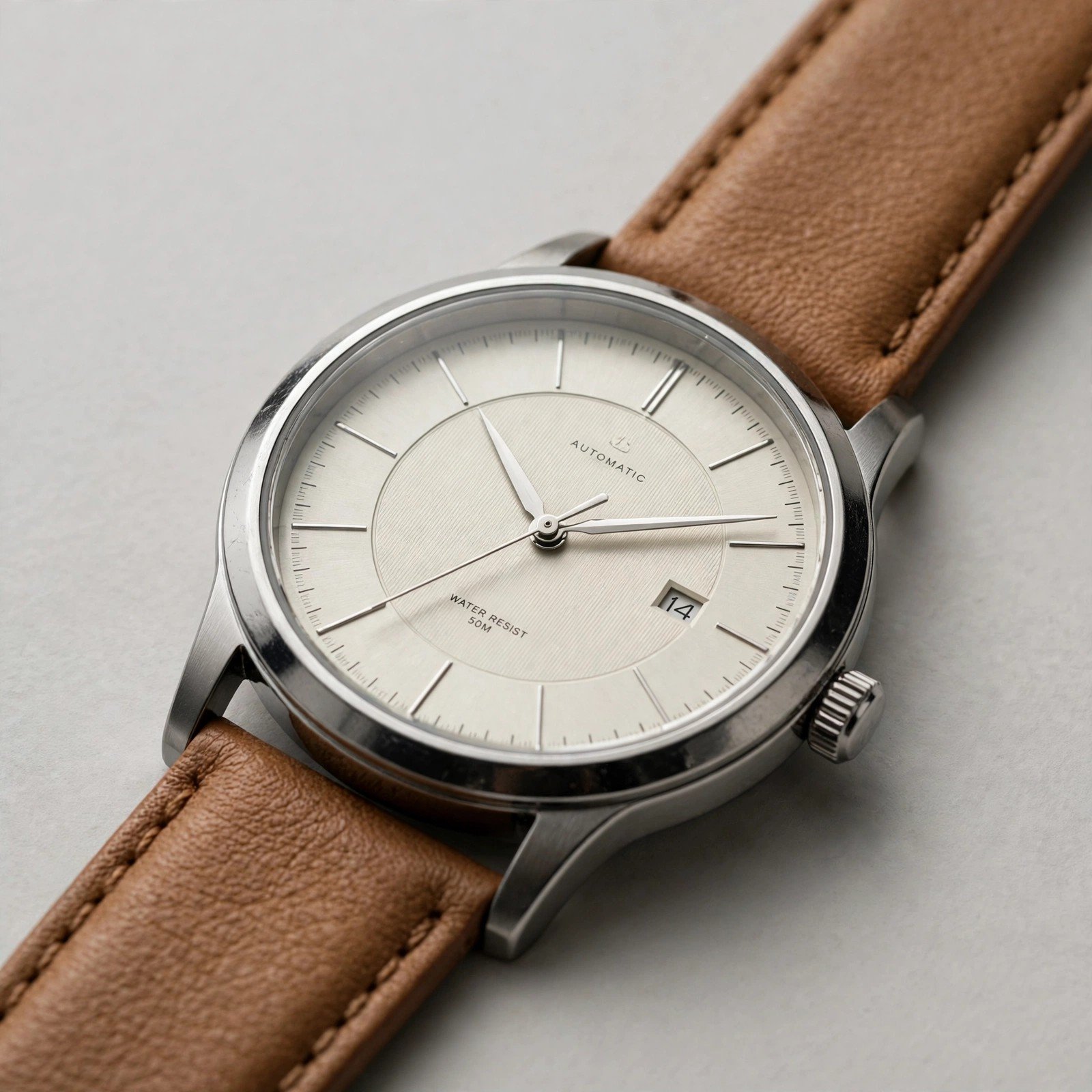
Leather straps are the softer option. They mould to the wrist, look warmer than steel, and suit work and smart-casual wear. Keep leather dry where you can. Let it break in for a week before you judge the fit.
Rubber and silicone straps suit active days. They are light, easy to clean, and comfortable in warm weather. They look casual, so keep one for sport and a leather or steel option for smarter days.
Many ladies’ TAG watches accept a replacement strap. A strap change can refresh a watch you already own. Check the lug width first. A strap a millimetre too wide will not fit, and one too narrow will look wrong.
What to check before you choose ladies tag watches
Before you settle on a watch, run through a short checklist. First, check the fit on your own wrist, using the tests in the size section above. Second, check the dial in daylight, not just under shop lights. Third, check the strap or bracelet: does it adjust to your wrist, and does it pinch or pull?
Fourth, check the water-resistance rating on the specific watch, because it varies from model to model. A watch rated for splashes is not a swimming watch. Fifth, check the condition if you are buying pre-owned. Look for scratches on the case and crystal. Check that the hands and date change cleanly, and ask about service history.
Sixth, check where you are buying from. A seller with a clear returns policy and a checkable reputation beats a bargain from a seller you cannot trace. Finally, check the warranty and service terms. A ladies tag watch is a luxury watch. It still deserves the same checks as any watch you plan to wear every day.
FAQs about ladies tag watches
Are ladies’ TAG watches a good first luxury watch?
For many buyers, yes. Ladies tag watches make a sensible first luxury watch. They offer a recognised Swiss name. Try before you buy. Choose the line that fits your wrist and your routine, rather than buying a name alone.
How do the ladies’ lines differ?
Aquaracer Lady is the water-ready one. Formula 1 Lady is the sporty one. Carrera Lady is the clean racing line. Link Lady leads with bracelet comfort. Monaco Lady is square and distinctive. Pick the job first.
What sizes do ladies’ TAG watches come in?
Cases usually run from about 27 mm to 36 mm. Aquaracer Lady comes in 27, 30 or 36 mm. Carrera Lady comes in 29 or 36 mm. Check the lug-to-lug length against your wrist. Comfort and readability matter more than the number on the case.
Should I choose quartz or automatic?
Choose quartz if you want accuracy with little upkeep. Most ladies’ TAG models use quartz. Choose automatic if you like mechanical watches and will wear the watch often enough to keep it wound. Carrera Lady is the main automatic choice.
Are ladies’ TAG watches water-resistant?
It depends on the model. Aquaracer Lady models are water-resistant to 200 or 300 metres. Other lines vary, so check the rating first.