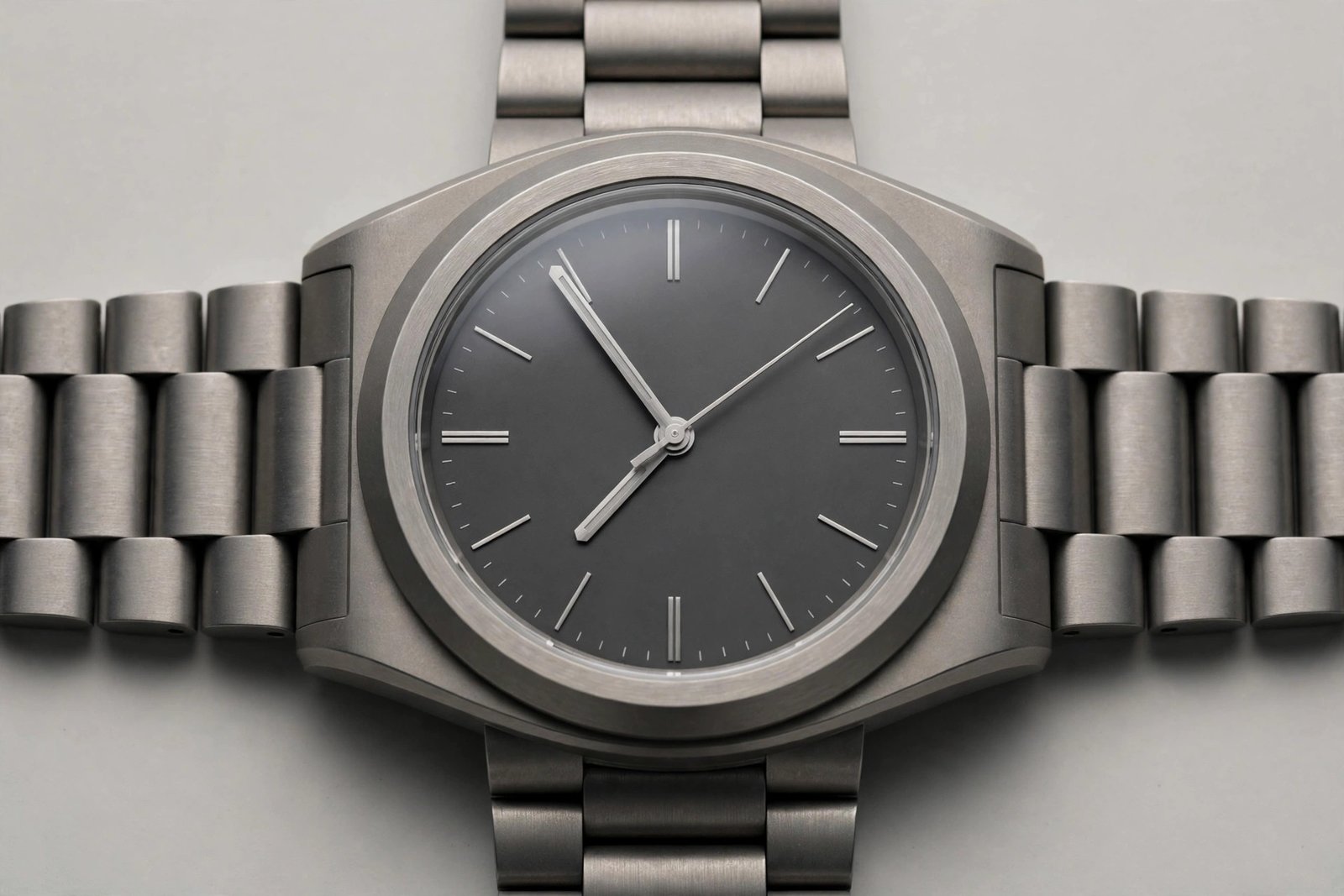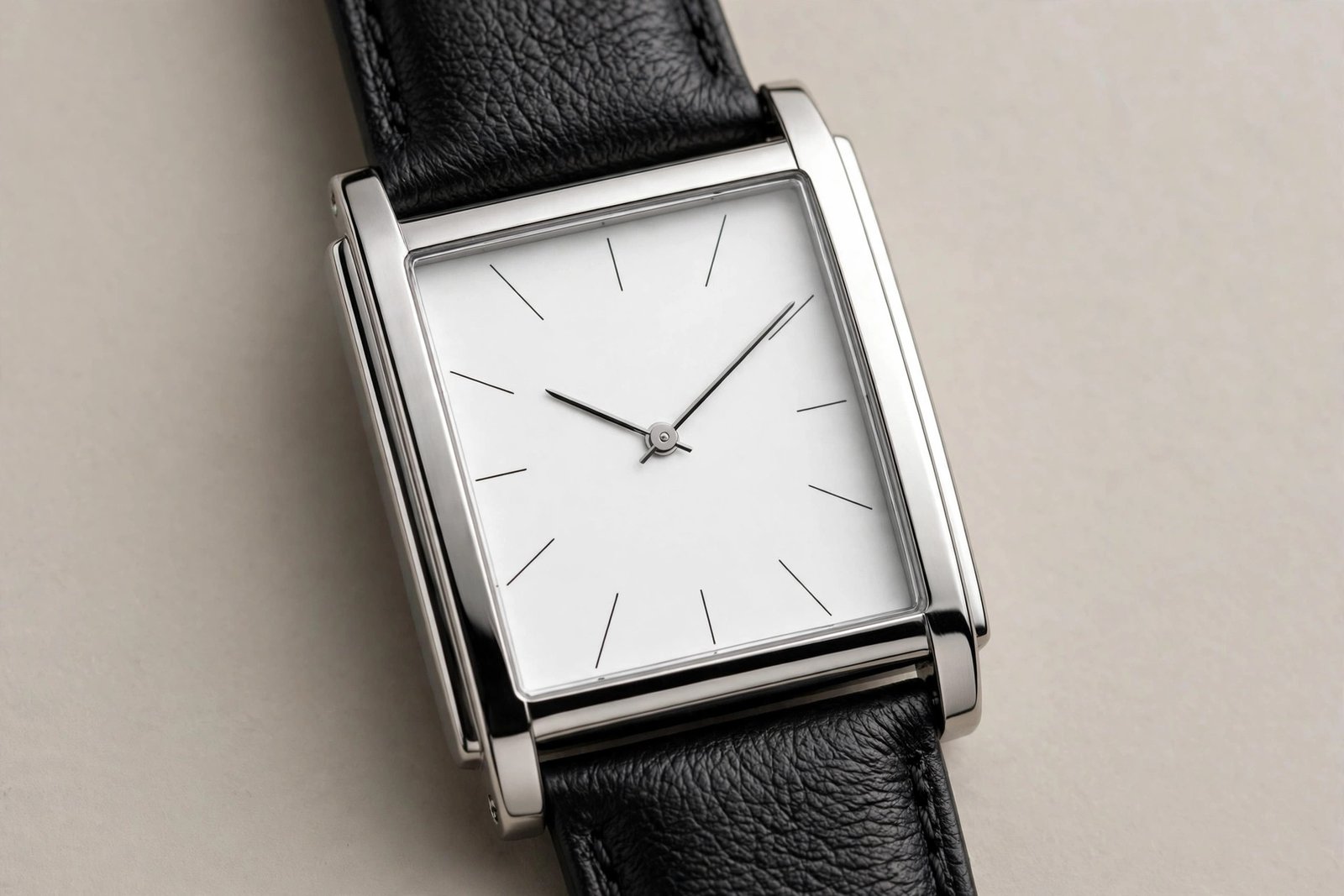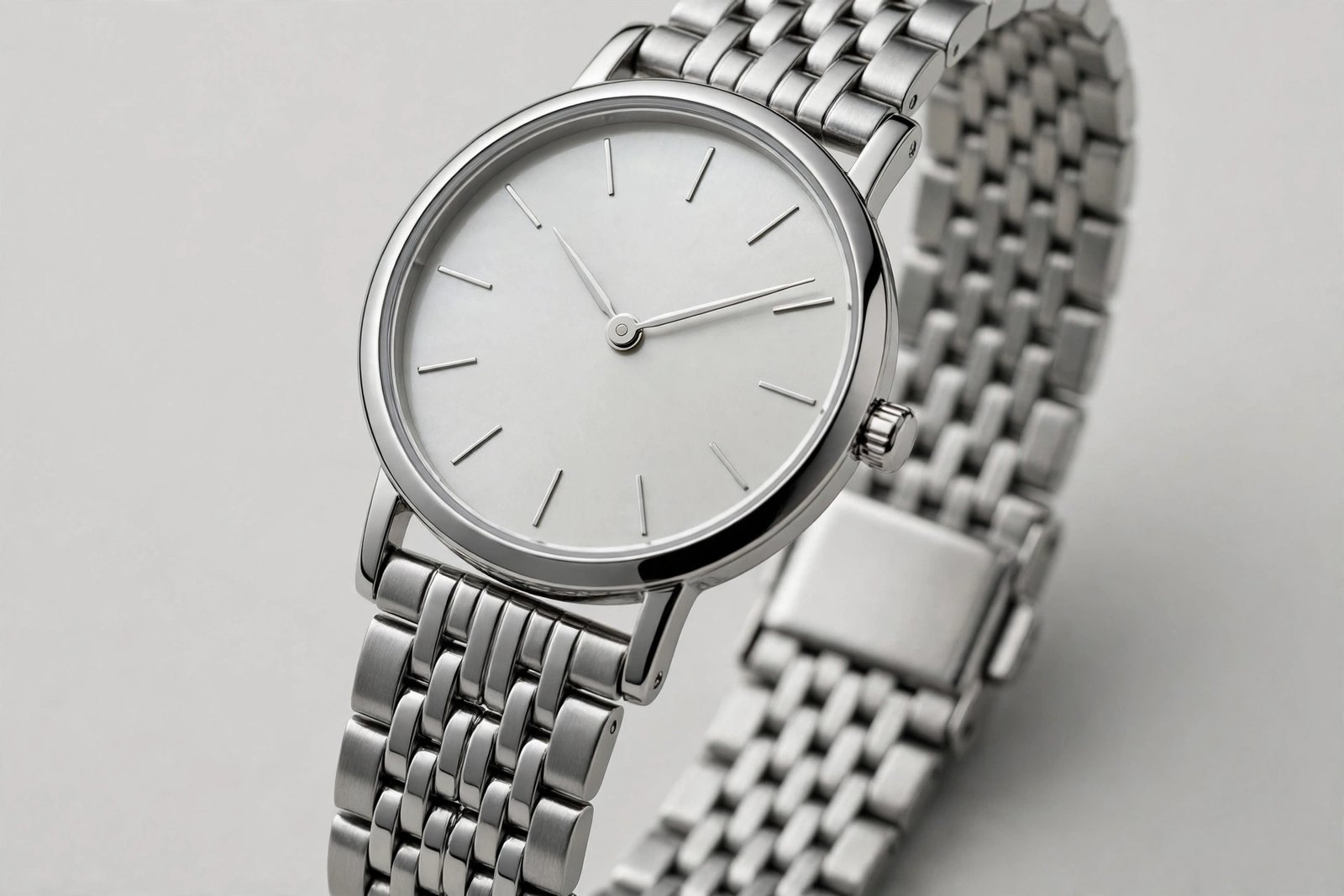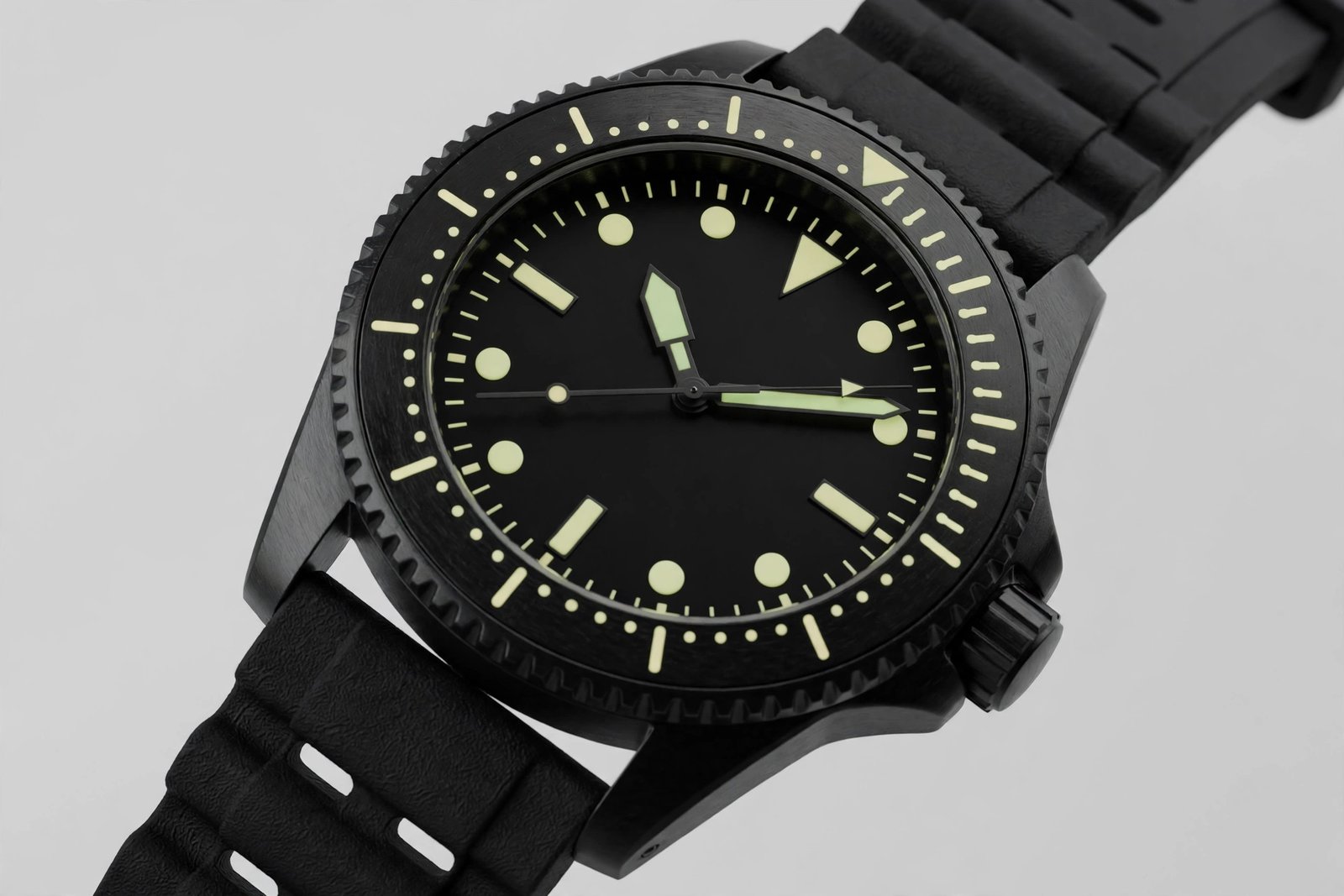
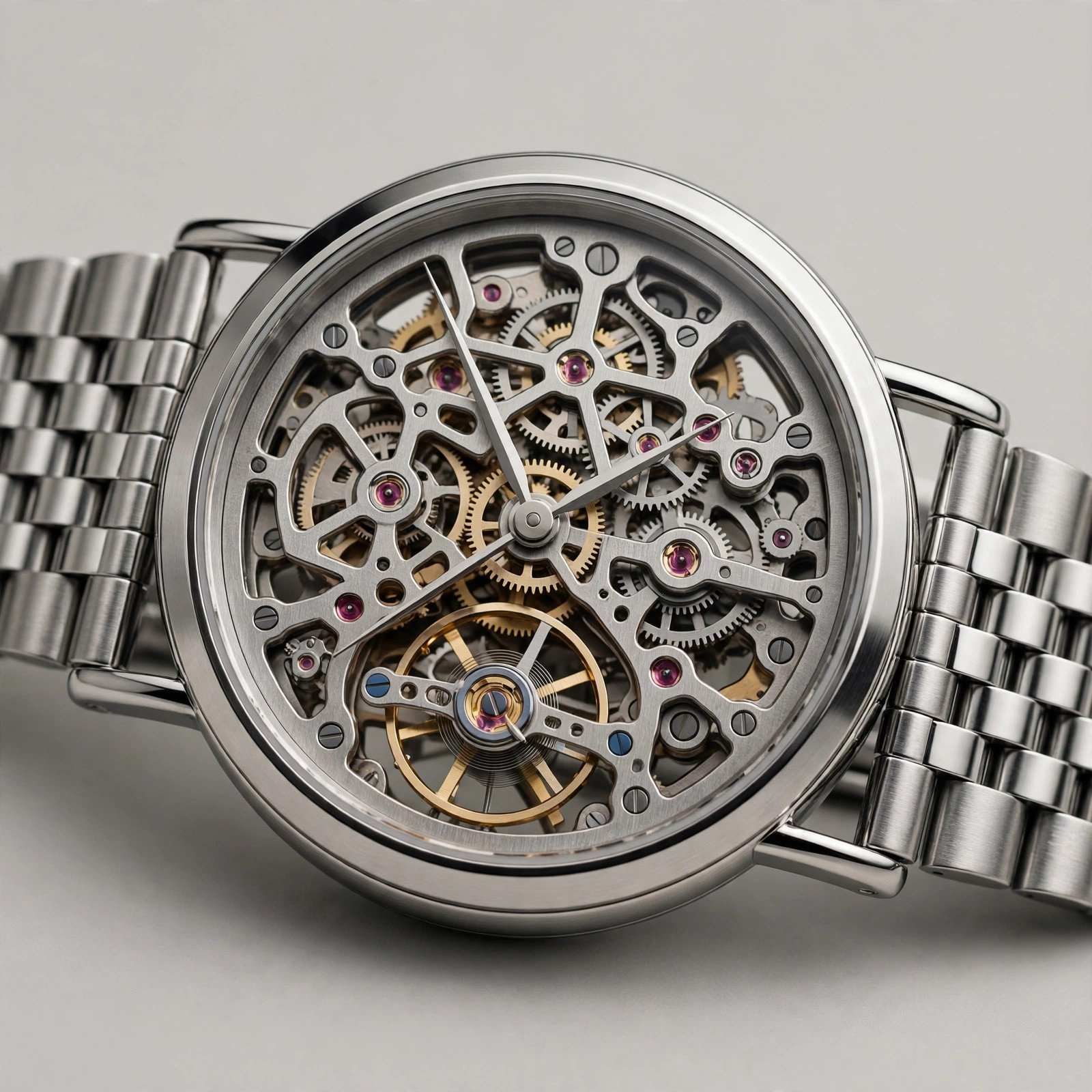
A skeleton wrist watch for men is easy to spot. The dial is open, and you can see the gears, springs and balance wheel moving inside. It looks like a small machine on your wrist, and that is the point.
This guide explains skeleton wrist watch for men in plain terms. It covers what the open dial shows, how the styles differ, and what to check before you choose one. It also covers readability, fit and care. If you want the wider picture first, our dress watch guide explains what makes a watch a dress watch.
What a skeleton wrist watch for men really is
A skeleton watch is a mechanical watch with most of its dial cut away. The plates and bridges that hold the movement together are hollowed out, so the gears underneath stay visible. Instead of a solid front, there are windows and cutouts. In some cases, you get a nearly clear view straight through to the other side.
The visible gears are not decorations. They are the real wheels, springs and levers that make the watch tick. Watchmakers remove metal from the plates and bridges wherever it can safely go. Then they often decorate the metal that remains with engraved patterns. One watch guide has the skeleton style explained in plain terms. True skeletonisation means cutting metal from the movement, not just removing the dial.
Because this only works with gears that can actually be watched in motion, skeleton watches almost always use mechanical movements. Most are automatic, and some are hand-wound. A quartz movement has no gears worth watching, so it never appears in a true skeleton watch.
For these watches, the look is the point. The watch suits evenings, smart days and occasions. However, it is not a tool watch, and it does not try to do a tool watch’s job.
Skeleton, open heart and display back: the difference
These three terms get mixed up, so it helps to separate them. First, a full skeleton watch shows most or all of the movement, often from both the front and the back. Very little solid material is left.
Next, an openworked watch shows several parts of the movement through cutouts in the dial. It is a partial view, not a full one. Some structure stays hidden, and the dial keeps part of its shape.
In addition, an open heart watch shows only the balance wheel. It is a single small window, usually at six o’clock, with the rest of the dial solid. It is a small peek, not a full view.
Finally, a display case back is different again. It shows the movement from behind, through a sapphire window in the case back. It does not make a watch a skeleton watch, since the dial stays solid.
In short, check what you can actually see from the front. If the dial is mostly solid with one small window, it is an open heart. If you can see most of the movement, it is a skeleton.
A short history
Skeleton watches go back to the 1760s. André-Charles Caron, a French clockmaker who worked for King Louis XV, made the first ones. His idea was simple: let owners watch the gears at work, instead of hiding them behind a solid dial.
For most of the 19th century, skeleton watches stayed rare. They took enormous skill and time to make by hand. Only a small number of watchmakers could cut the plates so finely without weakening the movement.
The style came back in the 1970s and 1980s. Quartz watches had flooded the market, and mechanical watchmakers needed a way to show what made their watches special. Audemars Piguet invested heavily in skeletonisation from the 1970s.
Today, the style covers everything from hand-finished pieces to cheap openworked fashion watches. The word “skeleton” now applies to any watch without a dial. That is why the checks in this guide matter.
What to look for in the movement and finishing
A skeleton wrist watch for men lives or dies on the movement. The movement is on show, so poor finishing has nowhere to hide. Start by looking at the bridges. On a well-made watch, the edges are smooth. The surfaces carry a clear finish, such as Geneva stripes or a fine circular grain.
Next, look at the screws. They should sit neatly, with clean slots and no scratches around them. Rough screw heads are a warning sign of a rushed finish.
In addition, look at the balance wheel. It should swing smoothly and steadily. A jerky or uneven beat suggests a problem. The rotor should turn freely when you move the watch.
Similarly, check the jewels. The small red dots in the movement are synthetic ruby bearings. They reduce friction where the gears turn. A properly finished movement shows them clearly, set into polished holes.
Above all, judge the movement as a whole. A good skeleton movement looks ordered, with each part placed for a reason. A poor one looks crowded, with rough edges and bare metal that was simply left unfinished.
Readability of a skeleton wrist watch for men: the honest trade-off
Readability is the weak point of a skeleton watch, and it is worth saying plainly. An open dial is harder to read at a glance than a solid one. The gears, bridges and screws all compete with the hands for your attention.
First, check the hands. They should stand out clearly against the movement behind them. Bold hands with a bright tip read best. Slim polished hands on a busy movement can vanish.
Next, check the markers. Some use applied markers that float over the movement. Others use a thin chapter ring around the edge. A clear ring with bold numerals reads far better than small markers lost among the gears.
In general, a skeleton watch suits days when you glance at the time. It does not suit days when you must read it in a second. If you need to tell the time at a glance in dim light, a solid dial will serve you better. Overall, buy a skeleton watch for the view, not for quick reading.
Size and fit of a skeleton wrist watch for men
A skeleton wrist watch for men often runs larger than a plain dress watch. The open dial needs room, so cases often measure 40 mm or more. A large case can still work, but it has to fit your wrist.
First, check the lug-to-lug length, not just the case width. A long case can overhang a slim wrist. Next, check the thickness. A skeleton movement sits in a case with crystals front and back. So the watch can be thicker than it looks.
Before you buy, try the watch on your own wrist, and wear it for more than a minute. Walk around and bend your wrist. Check whether the crown digs into the back of your hand. Also, check whether the strap holds the watch still without pinching. A watch that feels fine for ten seconds can annoy you by lunchtime.
Steel skeleton watches can feel heavy, since the case is large and the bracelet is solid. A leather strap can balance it better on a slim wrist.
What to check before you choose a skeleton wrist watch for men
Before you settle on a watch, run through a short checklist. First, check the fit on your own wrist, using the tests in the size section above. Second, check the dial in daylight, not just under shop lights. Can you read the time at a glance?
Third, check the movement finishing, using the tests in the movement section above. Look at the bridges, the screws and the balance wheel. Fourth, check the water-resistance rating on the specific watch. Most skeleton watches are rated for splashes, not swimming. The open construction and the display back make a high rating harder to achieve.
Fifth, check the service needs. A mechanical movement needs a service every few years. Ask what a service costs and who can do it where you live.
Sixth, check the condition if you are buying pre-owned. Look for scratches on both crystals, since a skeleton watch has two. Check that the hands move cleanly, and ask about service history.
Finally, check where you are buying from. A seller with a clear returns policy and a checkable reputation beats a bargain from a seller you cannot trace. Also check the warranty and service terms, so you know what happens if the watch needs work.
Everyday wear and care
A skeleton wrist watch for men needs the same basic care as any mechanical watch, with a few extras. Keep it clean with a soft, dry cloth after wear. Avoid harsh chemicals and rough cloths. A little care goes a long way.
In particular, dust is the enemy of an open dial. Dust reaches an open movement more easily than a solid dial. Keep the watch in its box when you are not wearing it. Do not leave it open on a shelf.
Do not open the case yourself. A skeleton movement has fine parts that are easy to damage. Leave cleaning to a watchmaker.
Finally, have the watch serviced on time. Most mechanical movements need cleaning and fresh oil every three to five years. A service costs less than a repair.
FAQs about skeleton wrist watch for men
Are skeleton watches automatic?
Most are. A skeleton wrist watch for men usually runs on an automatic movement. It winds itself from the motion of your wrist. Some are hand-wound instead. A quartz movement has no gears worth watching, so it never appears in a skeleton watch.
Are skeleton watches hard to read?
Yes, they can be. An open dial is busier than a solid one, so the hands compete with the gears for your attention. Bold hands and a clear chapter ring help a lot. Check the dial in daylight before you buy.
Do skeleton watches hold their value?
It depends on the maker and the finishing. A well-finished skeleton watch from a respected maker holds value better than a cheap openworked fashion watch. Buy the watch to wear it, not as an investment.
Are skeleton watches water-resistant?
In short, it depends on the model. Most are rated for splashes, not swimming. The open construction and the display back make a high rating harder to achieve. Check the rating on the specific watch first.
What size skeleton watch should I choose?
In fact, there is no single right size. Check the width and the lug-to-lug length against your wrist. Try the watch on, and wear it for a few minutes. Overall, comfort and readability matter more than the number on the case.