What is a watch bezel?
Look at almost any wristwatch and you will see a ring around the dial. That ring is the watch bezel. It frames the face, protects the crystal at the edge of the case, and, on many watches, does a practical job as well.
Some bezels simply sit still and look good. Others turn, and that movement lets you measure time, track a second time zone, or follow a scale printed around the edge. The difference matters when you choose a watch, because a bezel that looks impressive in a shop window may not help you in daily use, while a plain bezel may suit you perfectly.
This guide explains the main types in plain terms. It covers fixed bezels, rotating bezels, and diving bezels in detail, then looks briefly at GMT and tachymeter bezels. It also explains how to use a diving bezel safely, how to choose a bezel for your own use, and how to care for it.
Fixed watch bezel: simple, sturdy and often decorative
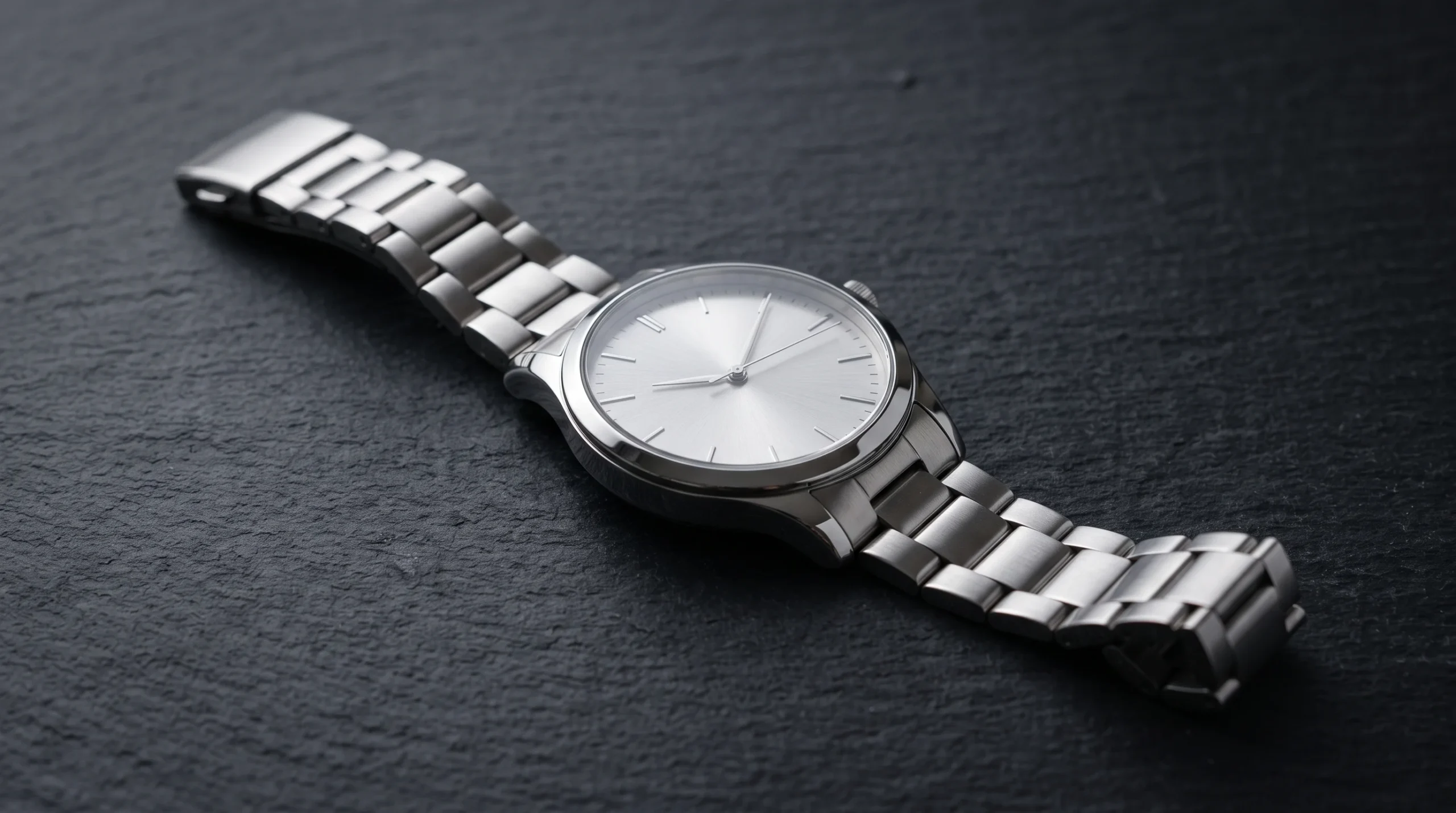
A fixed bezel does not move. Makers attach it firmly to the case, and it stays in one position for the life of the watch.
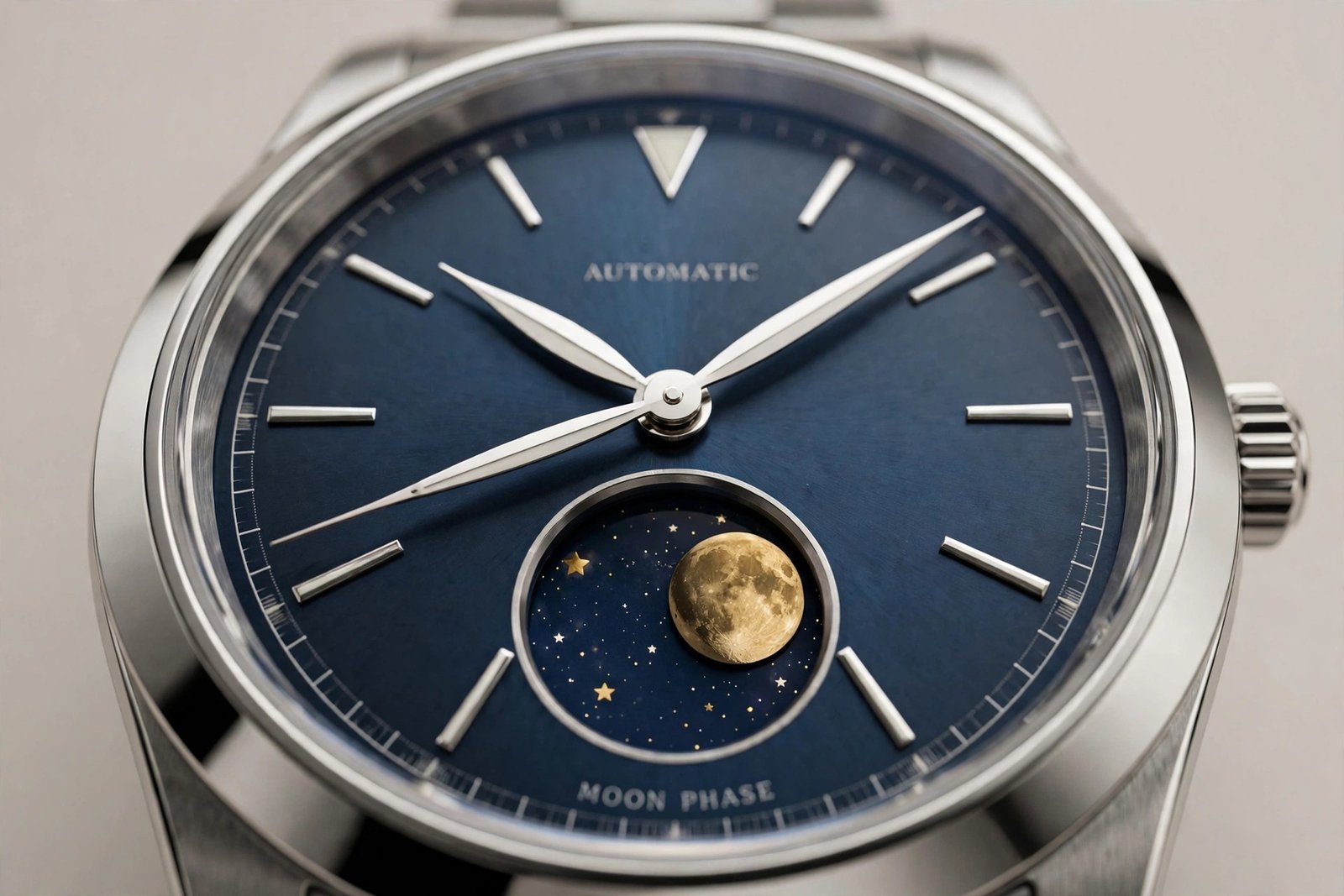
Many dress watches use a fixed bezel. The ring may be smooth and polished, gently domed, or finely ridged around its edge. In each case, the aim is proportion and finish rather than measurement. A slim, polished bezel can make a dial look larger and cleaner. A ridged or fluted bezel can catch the light and add character without drawing attention away from the hands.
Fixed bezels also appear on watches where a scale would only add clutter. If you mainly want a watch for telling the time, a fixed bezel keeps the dial easy to read. It also removes a moving part, so you have one less thing to knock, loosen, or clean around.
That simplicity brings a clear trade-off. A fixed bezel cannot time an event, track elapsed minutes, or show a second time zone. You should judge it on looks, comfort, and readability, not on functions it was never meant to offer.
Rotating watch bezel: a ring you turn for a reason
A rotating bezel turns around the dial, usually with a series of clicks that help you set it precisely. The clicks also stop the ring from drifting by accident when you move your wrist.
Makers design rotating bezels in different ways. Some turn in both directions. Others turn in one direction only, and that restriction often has a safety purpose, which matters most on diving watches. The markings around the ring decide what you can measure. Minute markings suit short timings. A 24-hour scale suits a second time zone. A more complex scale, such as a tachymeter scale, suits a specific calculation, and it only helps if you understand that calculation and use it regularly.
To use a rotating bezel well, start with a simple habit. Set the marker before you begin timing, check it at a glance during the event, and reset it when you finish. If the ring feels stiff, gritty, or loose, do not force it. A bezel that moves freely when it should click into place may need a professional check, especially on a watch you rely on near water.
Diving watch bezel: how it works
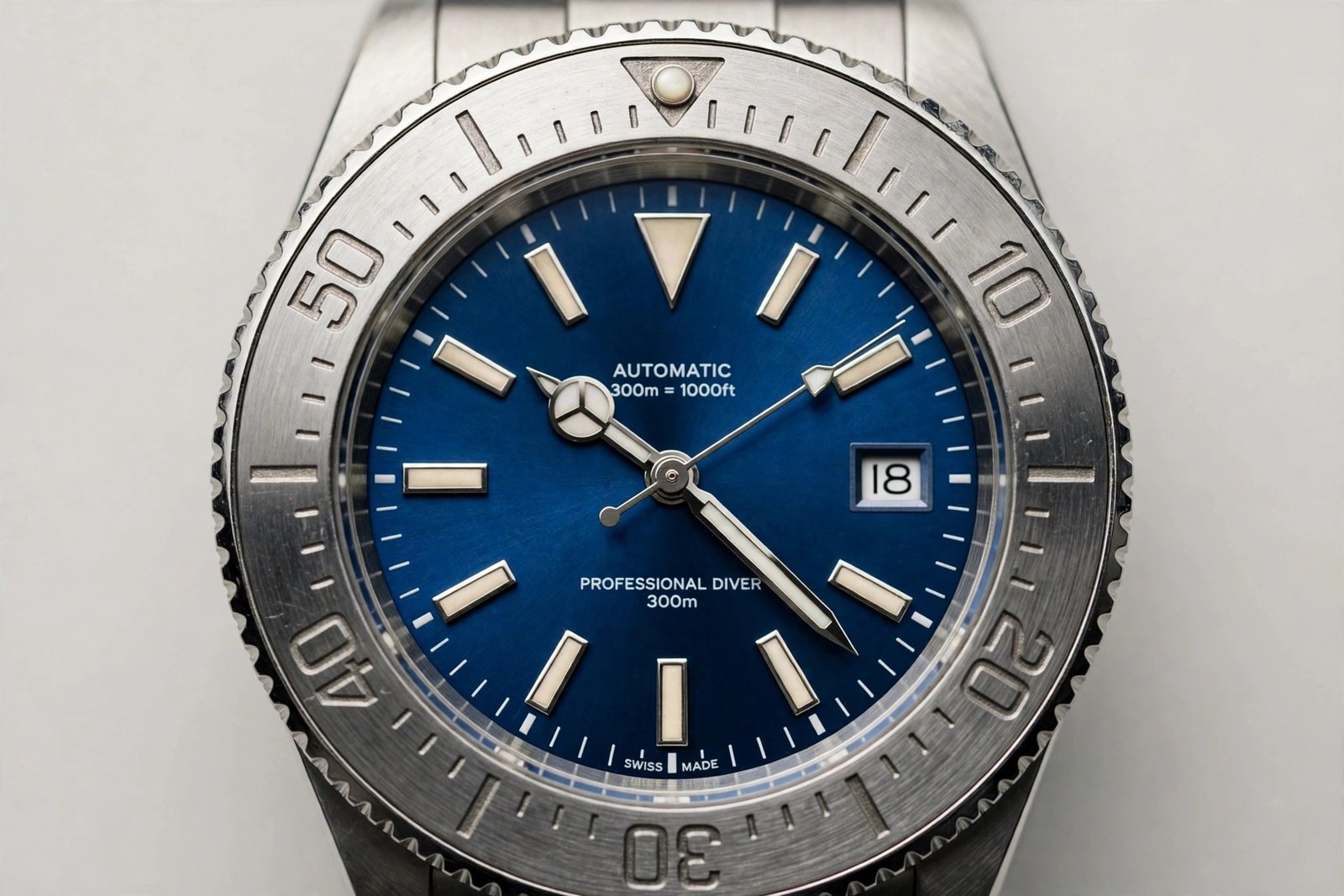
A diving bezel is a specialised rotating bezel. It usually carries minute markings for at least the first part of its rotation, with a clear marker at the zero position. Many diving bezels turn in one direction only, so an accidental knock cannot make the measured time look shorter than it really is. Instead, a knock can only make the elapsed time look longer, which gives you a more cautious reading.
How to use a diving watch bezel for elapsed time
You can use a diving bezel for many everyday timings, not only for diving. The steps stay the same, and they work best when you practise them on land first.
First, turn the bezel until its zero marker lines up exactly with the minute hand. Second, note the time you started, so you have a second check. Third, read the elapsed minutes from the position of the minute hand against the bezel scale. For example, if the minute hand now points at the 20-minute mark on the bezel, 20 minutes have passed since you set it.
This method suits timing a walk, a parking period, a cooking time, or a short meeting. It gives you a quick, glanceable answer without pressing buttons or opening an app. However, it only measures elapsed time. It does not tell you how much time remains unless you work that out yourself from your planned total.
The limits of a diving watch bezel
A diving bezel has real limits, and you should respect them. Depth, air supply, and decompression are beyond what it can measure. Proper training, planning, and equipment for diving cannot be replaced by a bezel alone. Visibility matters too. In poor light, murky water, or a hurried glance, you can misread a marker, so clear markings and good contrast matter more than a busy design.
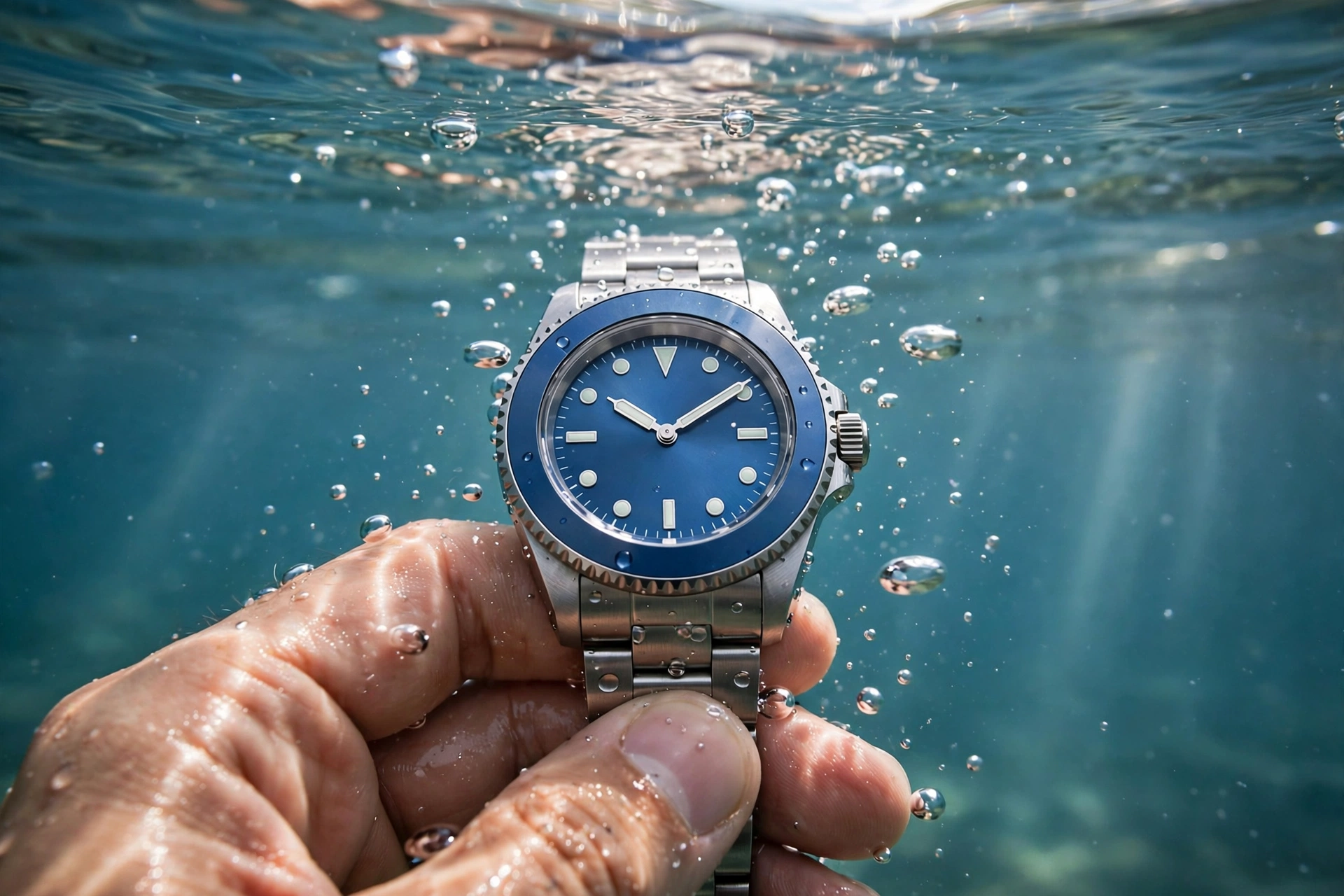
Water resistance matters here too, but it is a separate question from the bezel itself. A diving-style bezel does not make a watch suitable for diving on its own. Always check the watch’s water-resistance rating, keep its seals in good condition, and have it checked after a battery change or any work on the case. A separate guide on water-resistance ratings explains what those metre figures really mean in practice.
Finally, treat a diving bezel as a timing aid, not as a safety device on its own. If you dive, follow your training and your dive plan, and use the instruments and checks that plan requires. If you only use the bezel on land, the same careful habit still helps: set it deliberately, read it clearly, and do not guess when the marker is unclear.
Other watch bezel types in brief
GMT bezels
A GMT bezel carries a 24-hour scale around its edge. Used with a suitable hand, it can show a second time zone at a glance. Travellers often value this feature, because it lets them check home time without doing mental arithmetic. A GMT bezel only helps, however, if you set it correctly and remember which zone it shows. A clear, two-tone scale can make day and night easier to tell apart, while a single-colour scale may need a closer look.
Tachymeter bezels
A tachymeter bezel carries a scale that converts elapsed time over a known distance into a speed. For example, it can help you work out an average speed if you know the distance travelled and the time taken. In practice, few people use this scale daily. It suits a specific interest, such as motorsport timing, far more than everyday wear. If you do not plan to use it, a tachymeter scale can simply make the dial harder to read.
Compass and slide-rule bezels
Some bezels carry a compass or slide-rule scale. These need practice to use well, so judge them on whether you will genuinely learn the method.
How to choose a watch bezel
Start with how you will actually use the watch. For a clean dress watch, a fixed bezel often works best. Short events are easier to time with a rotating bezel with clear minute markings. Frequent travellers may find a GMT bezel earns its place. A diving bezel still works well as an everyday timer if you like the look of a diving watch but will mainly wear it on land, provided you accept its size and weight.
Next, check readability in normal light, not only under shop lighting. Can you read the markers at a glance? Does the zero marker stand out? Do the hands contrast clearly with the dial and the bezel? A bezel that looks striking in a photograph can disappoint when you need a quick reading on a busy day.
Then consider size and comfort. A wide, tall bezel can make a watch feel larger on the wrist, and it can catch on cuffs. Try the watch on if you can, move your wrist naturally, and check whether the bezel turns smoothly without catching. A bezel should feel deliberate, not loose and not so stiff that you avoid using it.
How to care for a watch bezel
Bezel care stays simple if you build it into your normal routine. Rinse the watch gently with clean, fresh water after exposure to salt water, sand, or sweat, if the watch’s water-resistance rating allows rinsing. Dry it with a soft cloth, and avoid harsh chemicals, abrasive cloths, or ultrasonic cleaners unless a professional advises them for your watch.
Check the bezel action from time to time. Turn it slowly through its full range and listen for even clicks. If it sticks, grinds, or wobbles, stop and seek a professional check rather than forcing it. Dirt and grit can work their way under a rotating bezel, and forcing the ring can damage the mechanism or the seal beneath it.
FAQs
What is a watch bezel in simple terms?
A watch bezel is the ring around the dial. It frames the face and protects the edge of the crystal. On some watches it also turns, so you can measure elapsed time, track a second time zone, or follow a scale.
Are rotating bezels better than fixed bezels?
Neither type is better in every case. A rotating bezel suits timing and second-time-zone use. A fixed bezel suits a clean, simple dial and removes a moving part. Choose the type that matches how you will use the watch.
Can I use a diving bezel on land?
Yes. A diving bezel works well as an everyday elapsed-time timer. Set the zero marker to the minute hand, then read the elapsed minutes from the scale. It does not measure depth or air, and it does not make a watch suitable for diving on its own.
Why do many diving bezels turn in only one direction?
A one-direction bezel helps prevent a dangerous misreading. If you knock it by accident, the measured time can only look longer, not shorter. That gives you a more cautious reading, which matters when time matters.
How do I choose between a GMT bezel and a diving bezel?
Choose a GMT bezel if you regularly track a second time zone. Choose a diving bezel if you mainly want to time elapsed periods. If you want both functions, check whether the watch genuinely offers both clearly, rather than crowding the dial with two scales you will rarely use.