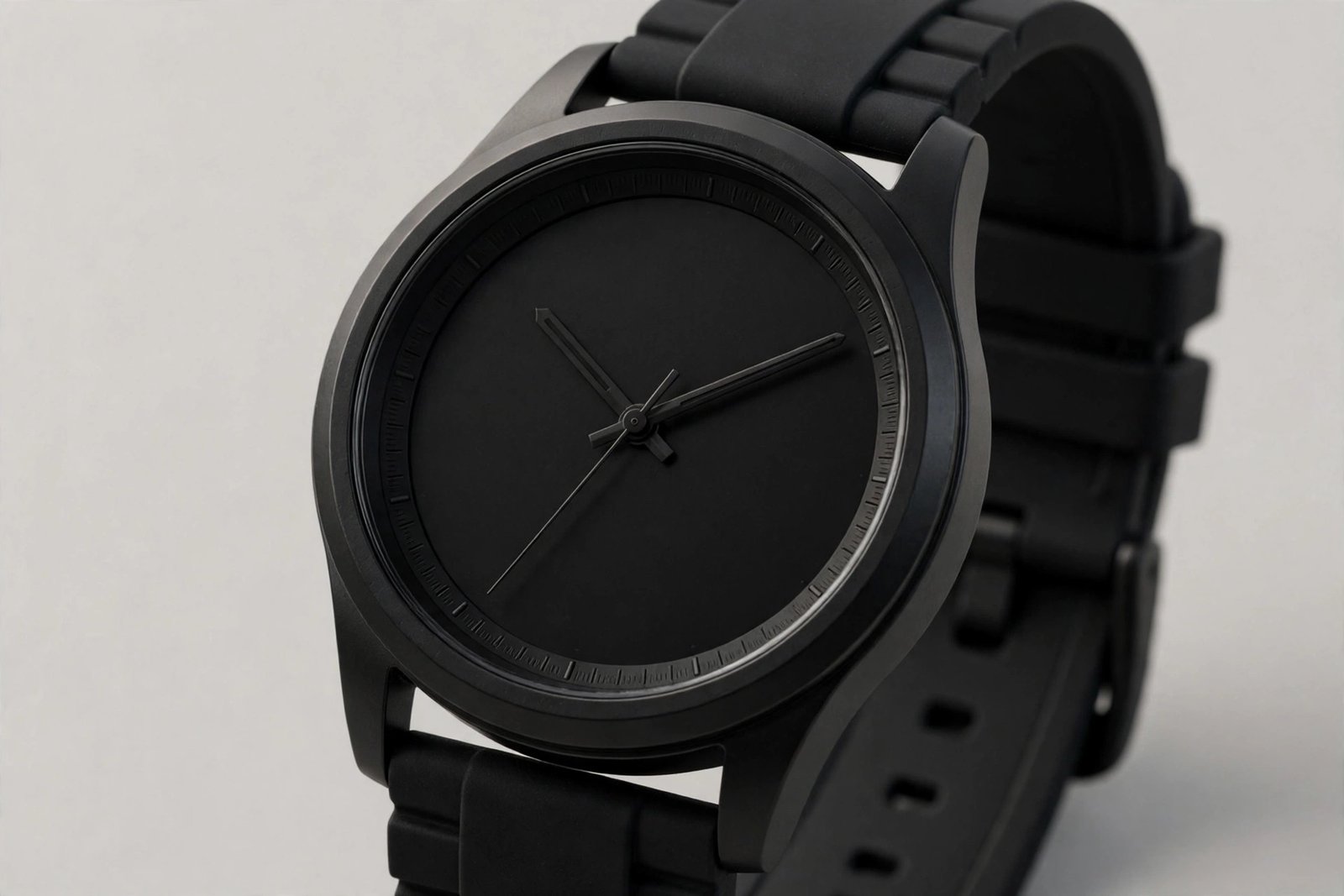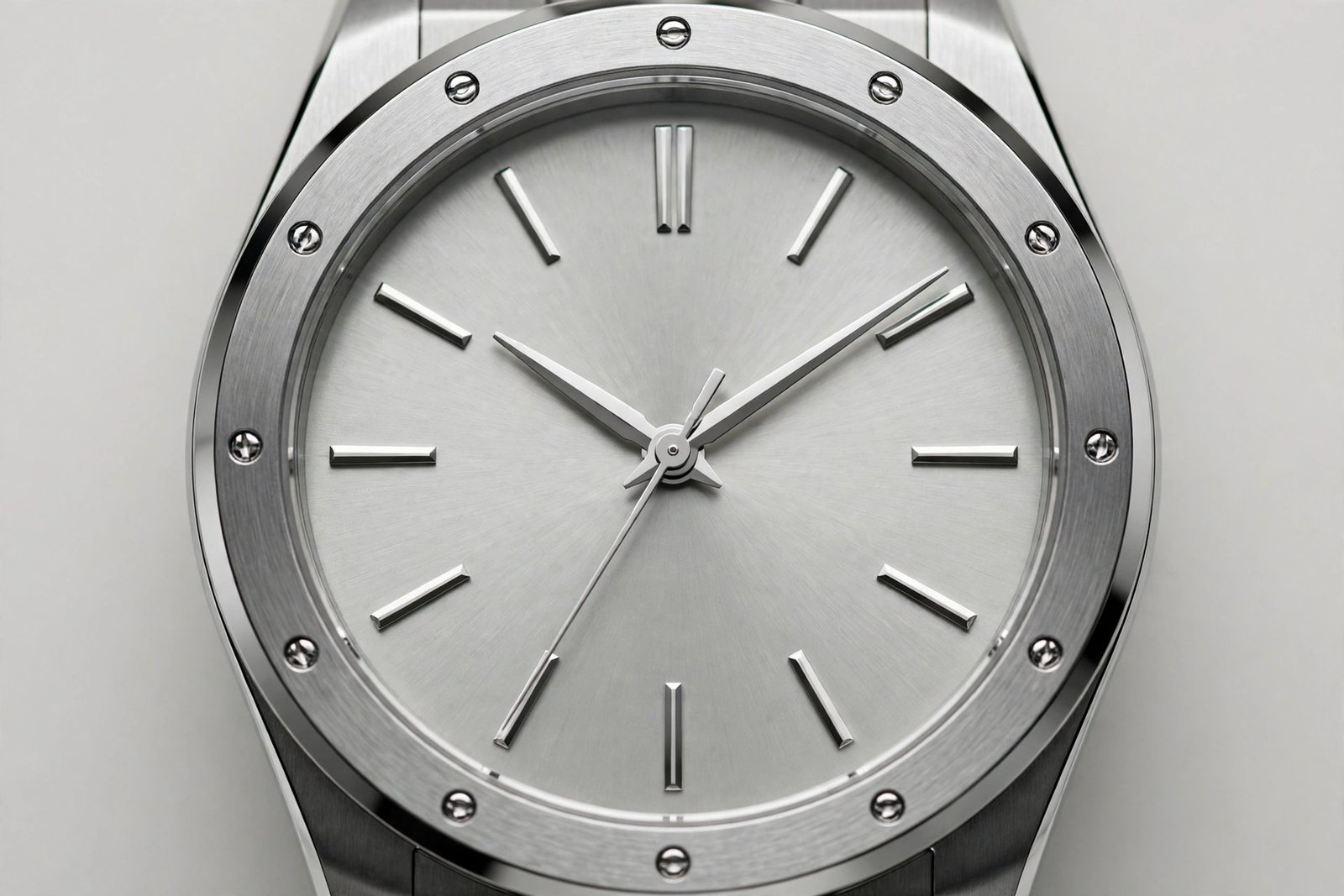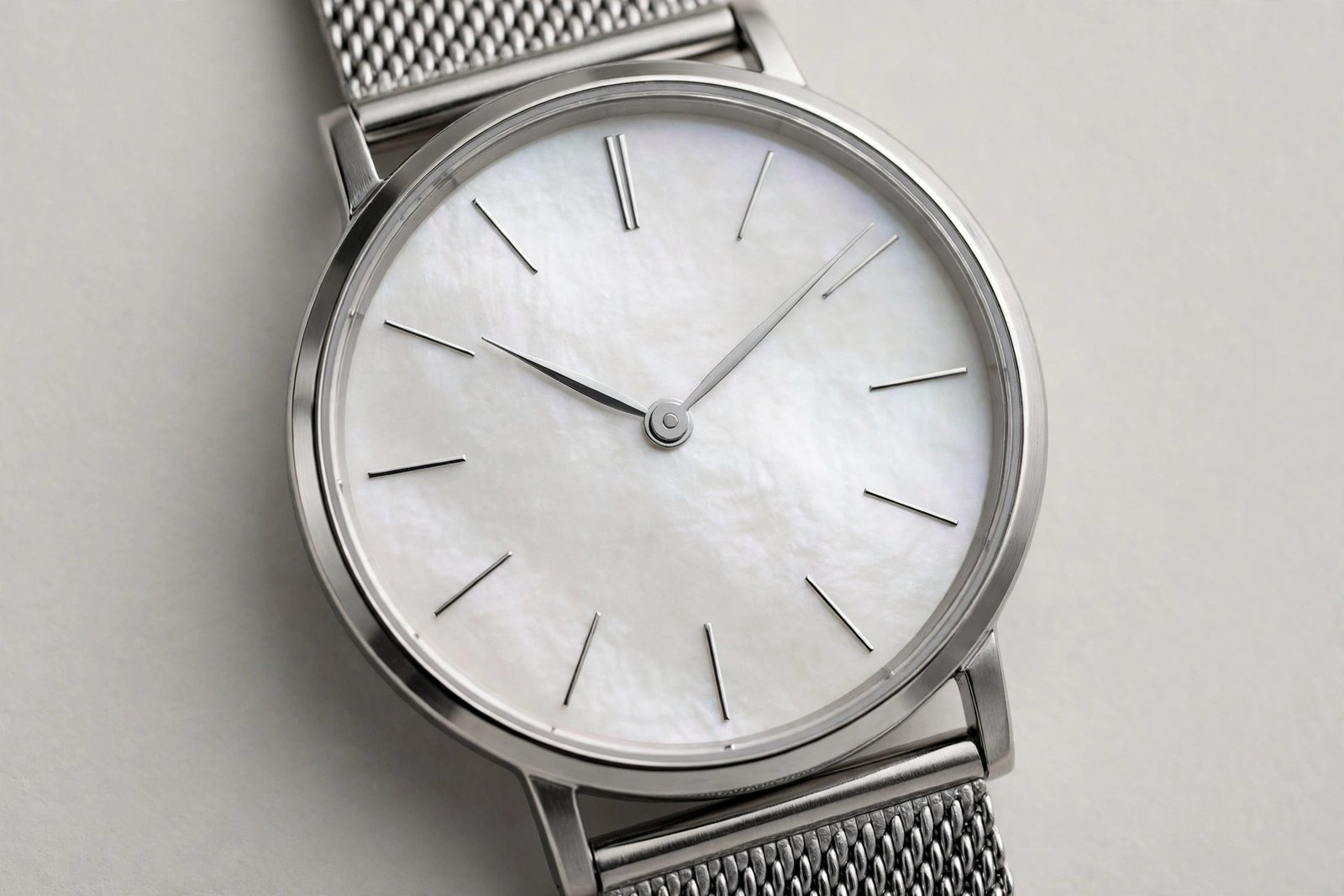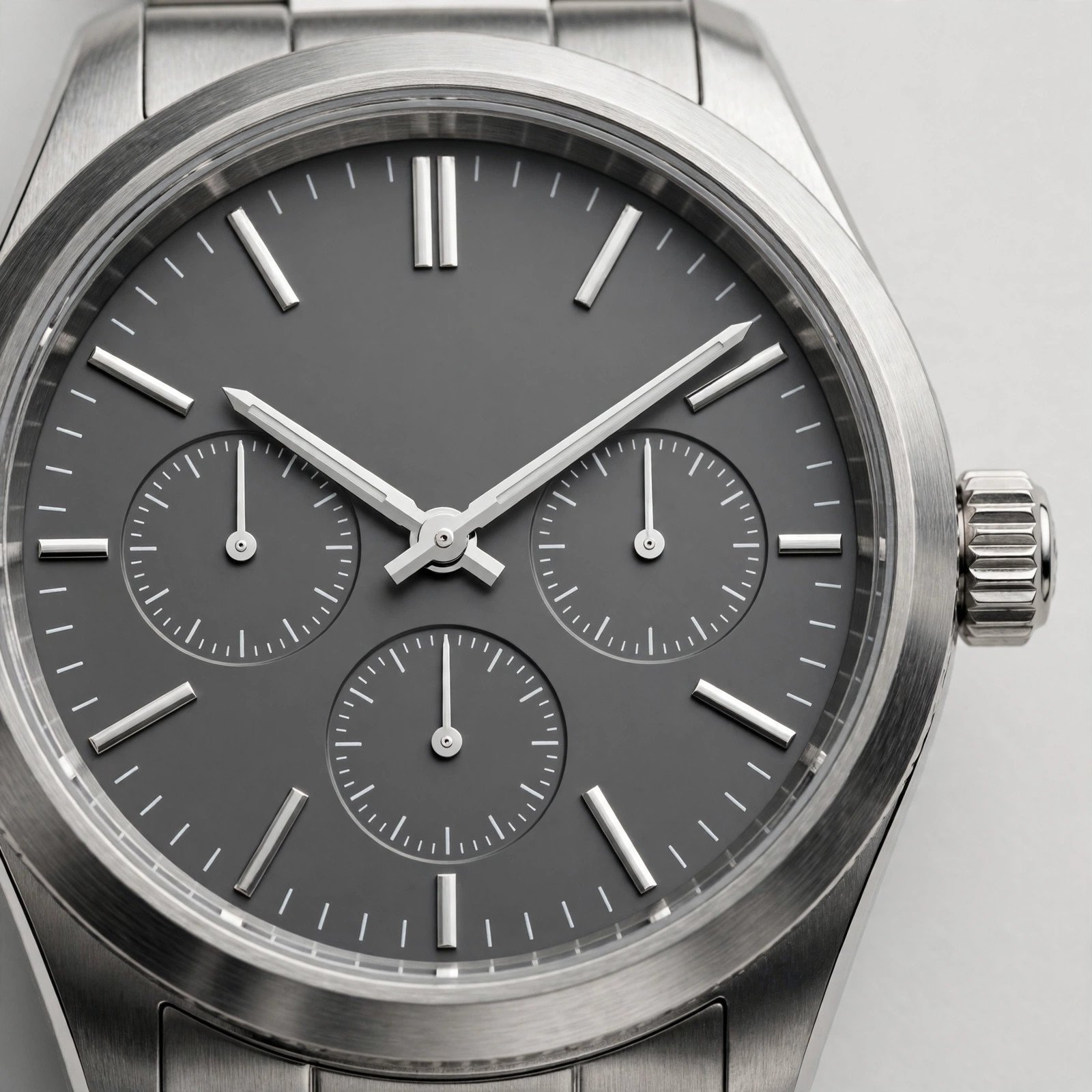
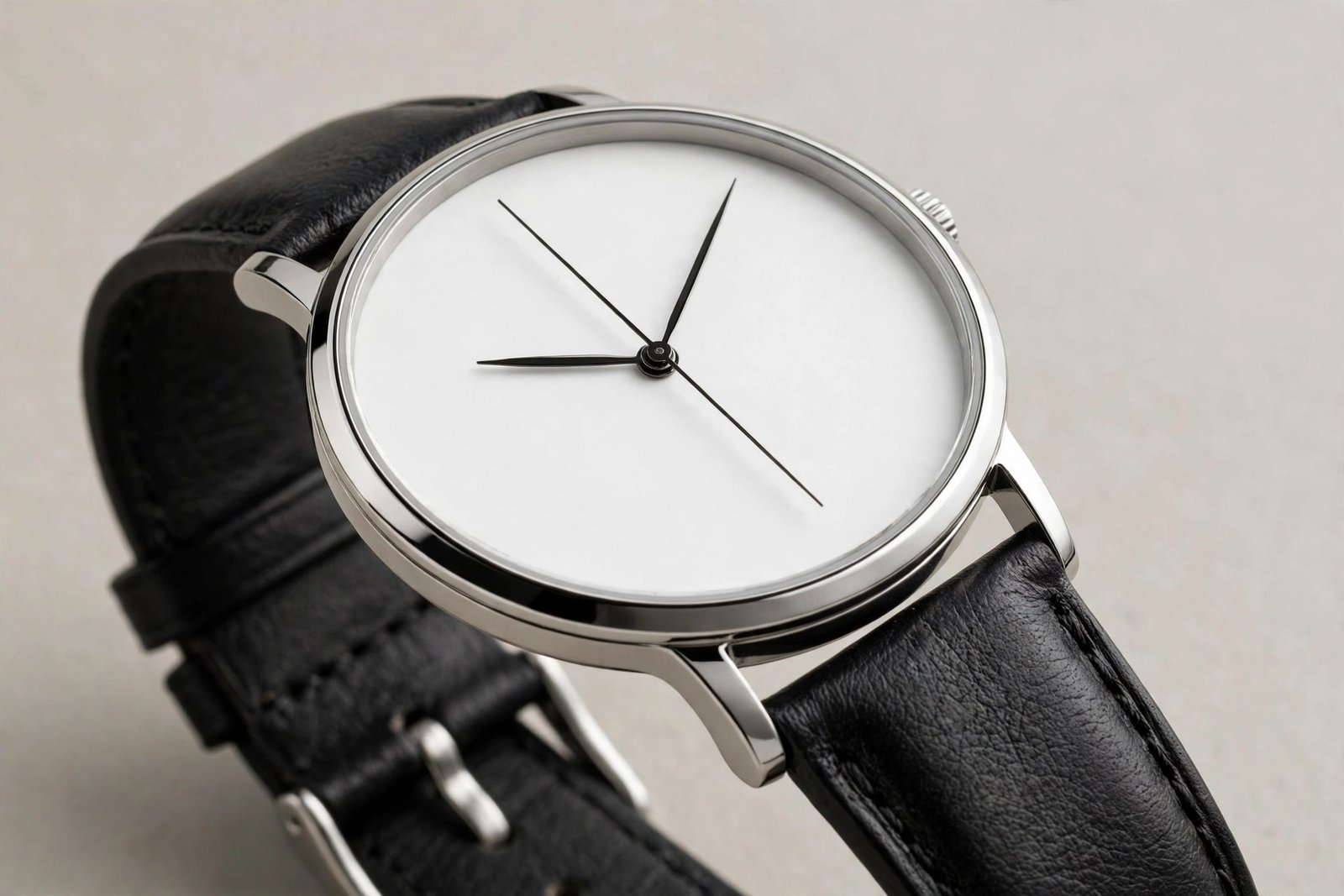
A gents dress watch is a slim, simple watch made for formal wear. It sits quietly under a shirt cuff, tells the time clearly, and never tries to steal attention from the suit. That restraint is the whole point. A dress watch is not a tool watch, and it is not a fashion statement. It is a piece of quiet good taste.
This guide explains gents dress watch choices in plain terms. It covers what makes a watch a dress watch, and what to check on size, thickness, dial and strap. It also covers what to wear it with and how to look after it. If you want the wider picture first, the main watch styles on this site show where a dress watch sits among the other styles.
What makes a gents dress watch
A dress watch earns its name through four traits. First, the case is slim. Second, the dial is plain. Third, it has few features beyond telling the time. Fourth, it usually sits on a leather strap. Watchmaker NOMOS Glashütte lists the usual dress watch features as a slim case under 10 mm, a diameter under 40 mm, few complications and a leather strap. Those numbers are a guide, not a law. However, a watch that breaks all four rules is probably not a dress watch at all.
The idea is simple. A dress watch should blend in, not stand out. It should sit flat under a cuff, read at a glance, and match the tone of formal clothes. By contrast, a large, thick sports watch can be a fine watch. However, it will catch on a cuff, bulge under a sleeve, and draw the eye away from the outfit. A dress watch does the opposite. It stays in the background until you need it.
In fact, dress watches first became popular in the early twentieth century, as wristwatches took over from pocket watches for formal wear. The design has barely changed since. A round case, a clean dial, and a leather strap still define the style today. That is why a good dress watch rarely looks dated. The style was settled long ago.
Size and thickness rules
Size matters more with a dress watch than with any other style. The case should suit your wrist and your cuff. Most dress watches sit between 34 mm and 40 mm across. For example, smaller wrists suit the lower end of that range. On the other hand, larger wrists can carry 39 mm or 40 mm, as long as the case stays slim. In addition, the lug-to-lug length matters. Long lugs can overhang a slim wrist, even when the case size looks right on paper.
Thickness is the real test. A dress watch should slide under a shirt cuff without catching. As a rule, look for a case under 10 mm thick. Thinner is better for formal wear, and many classic dress watches sit well under that figure. As a result, a thick case will push the cuff up and spoil the line of a jacket sleeve. For example, a 12 mm sports watch can feel fine on its own, yet it will fight a tailored cuff all evening.
Before you buy, try the watch with the shirt you plan to wear. Button the cuff and move your arm. The watch should pass under the cuff easily, without pulling the sleeve. Also check the crown. A large crown can dig into the back of your hand or snag on a cuff. A small, low crown is part of the dress watch look for a reason.
The dial: less is more
The dial of a gents dress watch should be easy to read and hard to notice. First, stick to a plain dial with clear markers and two or three hands. A date window is fine if it is small and neat. However, sub-dials, rotating bezels and busy scales belong on sports watches. They add clutter and break the clean lines of a dress watch.
Next, look at the colour. White, silver, cream and black dials are the classic choices. They suit a suit without adding colour. A dark blue or grey dial can also work, as long as it stays plain. On the other hand, bright colours and bold patterns will draw the eye. Save those for casual watches.
Above all, keep the markers simple. Slim batons, Roman numerals or simple dots all work. Diamond markers add sparkle, yet they can make a dial harder to read in dim light. For a first dress watch, plain markers are the safer choice. You can always choose something bolder later, once you know what suits you.
Straps and bracelets
For a gents dress watch, the strap is part of the design, not an afterthought. Leather is the classic choice. A smooth black or brown leather strap suits a suit and matches dress shoes. Calfskin is the usual choice for everyday wear. It is comfortable, neat and easy to replace. In addition, a lightly textured strap can add interest without breaking the formal look.
Match the strap to your shoes and belt. Black leather goes with black shoes. Brown leather goes with brown shoes. This is a simple rule, and it works. A mismatched strap and shoes will catch the eye for the wrong reason. Overall, keep the tones close and the outfit will look put together.
A slim metal bracelet can also work on a dress watch, as long as it stays flat and understated. A fine link bracelet in steel can look smart with a business suit. However, a chunky bracelet will feel more like a sports watch. Rubber, nylon and fabric straps do not belong on a dress watch. Save them for casual days.
What to wear it with
In general, a dress watch belongs with formal and smart clothes. It suits a suit, a jacket and a smart shirt. It also suits weddings, business meetings and evening events. The watch should be the quietest part of the outfit. Let the suit lead, and let the watch follow.
In particular, for a wedding or a black-tie event, keep it simple. A thin case, a white or black dial, and a black leather strap will never look wrong. Avoid a large case or a bright dial. The occasion is about the event, not the watch. Similarly, for a job interview, a plain dress watch looks calm and considered. It says you pay attention to detail.
For smart-casual wear, a dress watch still works. A clean dial on a brown leather strap suits a blazer and chinos. However, do not wear a dress watch with shorts, trainers or a sports kit. The contrast is too strong. A casual watch will serve you better there.
What to check before you choose a gents dress watch
Before you settle on a watch, run through a short checklist. First, check the fit on your own wrist, using the tests in the size section above. Second, check the thickness. Does it slide under a shirt cuff without catching? Third, check the dial in daylight, not just under shop lights. Can you read the time at a glance?
Fourth, check the strap. Does it adjust to your wrist, and does it pinch or pull? A leather strap will soften with wear, so give it a week before you judge the fit. Fifth, check the condition if you are buying pre-owned. Look for scratches on the case and crystal. Check that the hands and date change cleanly, and ask about service history.
Finally, check where you are buying from. A seller with a clear returns policy and a checkable reputation beats a bargain from a seller you cannot trace. Also check the warranty and service terms, so you know what happens if the watch needs work. A gents dress watch is a watch you may keep for years. It deserves the same checks as any watch you plan to wear often.
Everyday care
Finally, a dress watch needs the same basic care as any watch. Keep it clean with a soft, dry cloth after wear. Avoid harsh chemicals and rough cloths. Leather straps need a little extra care. Keep leather dry where you can, and let it air out after a long day. A damp strap will dry out and crack over time.
Check the water resistance before you swim or shower with it. Most dress watches are made for splashes, not swimming. A rating on paper does not always mean the watch is ready for every kind of water use. When in doubt, take it off. In addition, have the watch serviced when the maker suggests it. A regular service keeps the movement running well and protects the value of the watch.
FAQs about gents dress watch
Can I wear a gents dress watch every day?
Yes, for most people. A gents dress watch works well for office days, meetings and evenings out. Pick a comfortable leather strap, a readable dial and a slim case. A watch you enjoy wearing will get worn. A watch that pinches or catches will stay in a drawer.
Do I need a leather strap on a dress watch?
Not always. Leather is the classic choice, and it suits most formal occasions. However, a slim metal bracelet can also work, as long as it stays flat and understated. Avoid rubber, nylon and fabric straps. They belong on casual watches, not dress watches.
What size should a gents dress watch be?
Most dress watches sit between 34 mm and 40 mm across, with a case under 10 mm thick. The right size depends on your wrist. Check the lug-to-lug length against your wrist, and try the watch with a shirt cuff. Comfort and proportion matter more than the number on the case.
Can a dress watch have a date window?
Yes, a small date window is fine on a dress watch. It should sit neatly on the dial without crowding it. However, avoid extra sub-dials, chronograph pushers and rotating bezels. A dress watch should stay simple. If the dial looks busy, it is probably not a dress watch.
Is a gold dress watch a good choice?
Gold can suit a dress watch well, especially for evening wear. A gold case with a black leather strap is a classic pairing. However, gold is softer than steel, so it will show scratches more easily. If you choose gold, handle the watch with care and keep it for smarter occasions.